
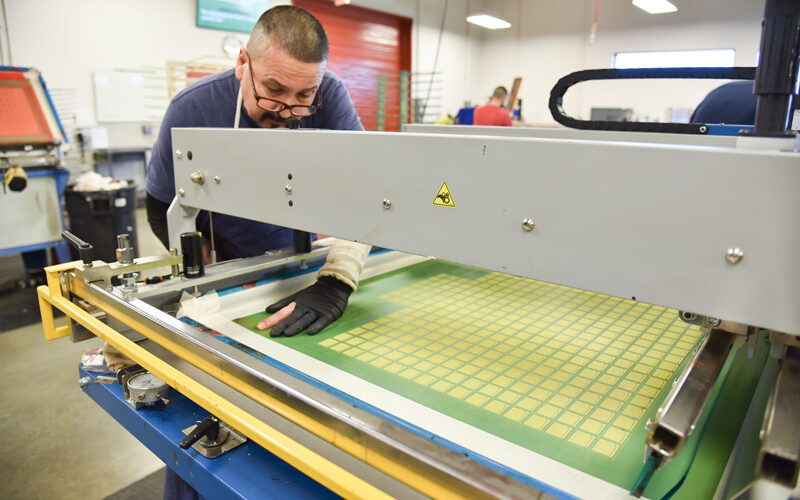
In modern manufacturing environments, efficiency, safety, and clarity are key to maintaining streamlined operations. Among the most overlooked yet crucial components contributing to these goals are printed decals and labels. These seemingly simple elements play a major role in ensuring consistent communication, equipment identification, and workplace safety.
Table of Contents
This article explores the top uses of decals and labels in manufacturing settings, highlighting two essential applications: control panels and warning and safety labels. Whether it’s customizing your plant’s equipment or meeting compliance standards, using custom decals and control labels is a smart investment that enhances both functionality and aesthetics.
What Are Printed Decals?
Printed decals are adhesive graphics, texts, or symbols that can be transferred onto surfaces for a variety of purposes. These include equipment labeling, safety instructions, and branding. In industrial environments, printed decals are made to withstand harsh conditions such as heat, moisture, abrasion, and chemicals, making them a durable and cost-effective solution for communication and identification.
Why Are Printed Decals Important in Manufacturing?
Manufacturing floors are filled with heavy machinery, electrical systems, chemical containers, and other potential hazards. Clear labeling is essential to:
- Prevent accidents and injuries
- Improve machine operability
- Ensure compliance with safety regulations (OSHA, ANSI, etc.)
- Provide traceability and quality control
- Support training and onboarding of new staff
By using custom decals and control labels, manufacturers can tailor information to specific processes and equipment, improving both productivity and safety.
Top Uses of Decals and Labels in Manufacturing Environments
1. Control Panels
Control panels are the heart of many industrial machines and systems. They house buttons, switches, indicators, and screens that operators use to control and monitor machinery. Accurate labeling on these panels is not just helpful—it’s essential.
How Printed Decals Help:
Durability: Labels used on control panels must resist moisture, grease, UV exposure, and frequent handling.
Identification: Clearly label each button, switch, and indicator with control labels to avoid operator confusion and reduce errors.
Instruction: Provide basic operation steps or warnings directly on the panel using custom decals.
Branding: Showcase the manufacturer’s logo or model name with high-quality printed decals.
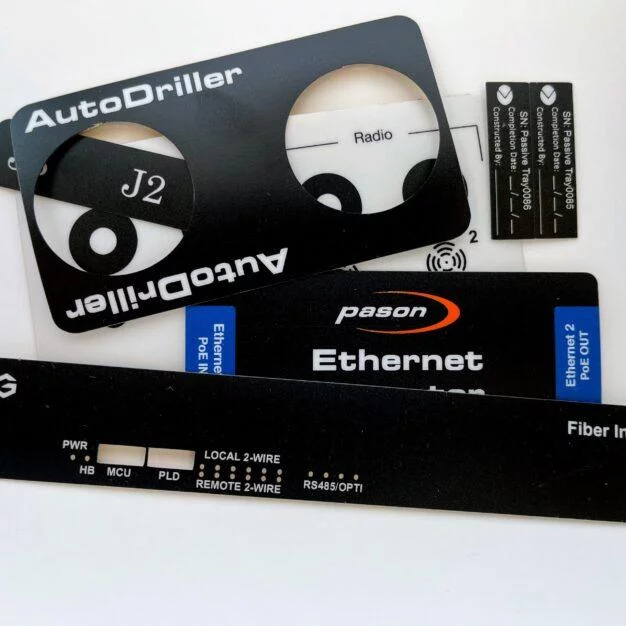
High-quality printed decals made with materials like polyester, vinyl, or polycarbonate ensure longevity and clarity. Many decals for control panels are also back-printed or laminated for added protection against wear and tear.
2. Warning and Safety Labels
Industrial environments are subject to strict health and safety guidelines. One of the most direct and effective ways to communicate hazards is through warning and safety labels.
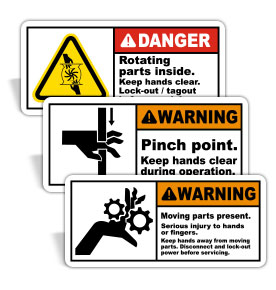
Common Applications:
- Chemical hazards: Labels indicating flammability, toxicity, or required protective equipment.
- Machine operation: Warnings about moving parts, electrical risks, or high temperatures.
- Work zones: Floor decals marking pedestrian zones, forklift pathways, or emergency exits.
Benefits of Printed Decals for Safety:
Customization: Use custom decals to tailor messages for unique hazards or procedures.
Compliance: Meet regulatory standards with standardized pictograms and text.
Durability: Withstand challenging environmental conditions.
In emergencies, clear and visible safety labels can make the difference between confusion and a fast, efficient response. Using highly visible colors, reflective surfaces, and multilingual formats can further improve effectiveness.
Other Common Uses in Manufacturing:
Besides control panels and safety warnings, printed decals serve many other critical functions in industrial settings:
- Inventory & Asset Management: Barcode and QR code decals streamline tracking and logistics.
- Instructional Labels: Step-by-step operating instructions printed directly on machinery.
- Branding and Identification: Company logos, serial numbers, or production dates.
- Temporary Markings: Removable decals for equipment under maintenance or calibration.
Customization Options for Printed Decals
One of the biggest advantages of using printed decals is the ability to customize them to suit any environment or application. Custom decals can be created in a variety of shapes, colors, and materials, with options including:
- UV-resistant coatings
- Scratch-resistant laminates
- Reflective or glow-in-the-dark finishes
- Removable or permanent adhesives
- Tamper-evident materials for high-security areas
These customization options ensure your decals not only meet technical specifications but also align with your company’s branding and operational needs.
FAQs About Printed Decals in Manufacturing
What’s the difference between decals and labels?
A decal is typically a decorative or informative graphic designed to be transferred onto a surface using adhesive, while a label is generally more information-focused and may include text, barcodes, or warnings. In manufacturing, both terms are often used interchangeably, especially when discussing printed decals for equipment or safety, as well as various types of adhesive markings and identification solutions.
Are printed decals suitable for outdoor industrial use?
Yes. Many printed decals are specifically designed for harsh environments and can be made weatherproof, UV-resistant, and chemically resistant to suit outdoor or heavy-duty industrial applications.
How do I choose the right material for my decals?
The right material depends on your application:
- Polycarbonate: Ideal for control panels with high-touch areas.
- Vinyl: Flexible and cost-effective, good for general use.
- Polyester: Excellent chemical and heat resistance for harsh environments.
Working with a professional decal manufacturer can help you select the best options for your specific needs.
Can I order small batches of custom decals?
Yes. Many providers offer short-run digital printing, making it affordable to order small quantities of custom decals without sacrificing quality.
How often should control labels be replaced?
Labels should be inspected regularly—at least quarterly—as part of routine maintenance. Any label that is faded, peeling, or damaged should be replaced immediately to maintain safety and operability.
Final Thoughts
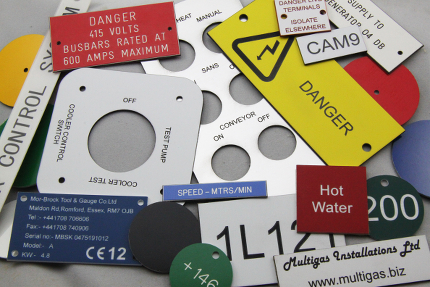
In the fast-paced world of manufacturing, printed decals, custom decals, and control labels may not always be the stars of the show—but they are certainly the unsung heroes. They improve safety, reduce operational errors, support regulatory compliance, and even enhance the look of your equipment. Investing in high-quality, durable labeling services and solutions can yield significant returns in terms of efficiency, safety, and employee satisfaction.
Whether you’re updating control panels or ensuring safety across your factory floor, don’t underestimate the power of a well-placed decal.