
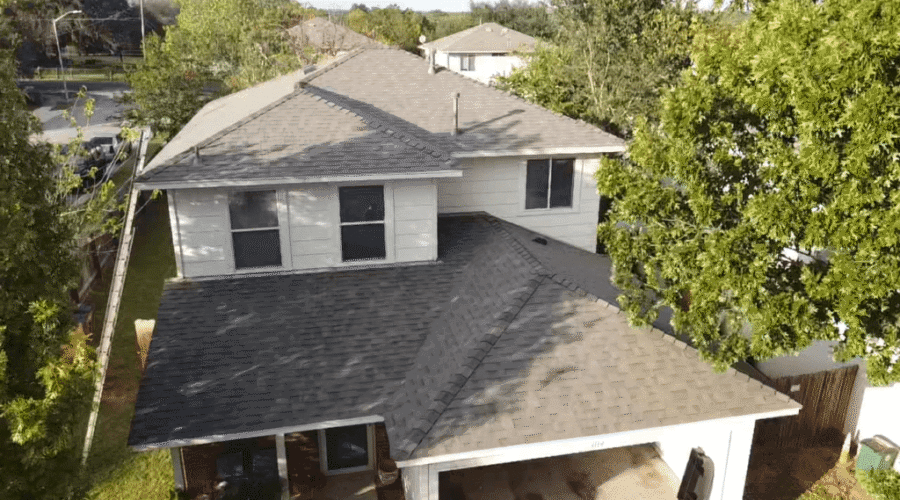
A roof does much more than complete a home’s exterior. It protects the structure from intense sunlight, wind, rain, hail, and seasonal temperature changes. Because Austin properties face demanding weather conditions, homeowners need roofing materials that combine dependable performance, attractive design, and reasonable long-term costs.
Table of Contents
- Understand the Main Types of Asphalt Roofing Shingles
- Consider Austin’s Climate and Weather Risks
- Select the Right Shingle Colour and Style
- Evaluate the Complete Roofing System
- Compare Asphalt Roofing With Metal Roofing
- Review Warranties Carefully
- How to Choose an Asphalt Roofing Contractor
- Questions to Ask Before Signing a Roofing Contract
- Plan for Maintenance After Installation
- Frequently Asked Questions
- 1. How long does an asphalt shingle roof typically last?
- 2. Can asphalt shingles withstand Austin’s heat?
- 3. Are impact-resistant shingles worth the additional cost?
- 4. Should an old roof be removed before installing new shingles?
- 5. How long does asphalt roofing installation take?
- 6. What are the warning signs that a roof needs replacement?
- 7. Can roofing work be coordinated with other exterior improvements?
- Frequently Asked Questions
- Make a Confident Roofing Decision
Choosing asphalt roofing in Austin, TX, that homeowners can rely on involves more than selecting a shingle colour. Shingle type, impact rating, ventilation system, underlayment, installation quality, and the contractor’s experience can all affect how well the roof performs. Understanding these factors will help you make a confident decision and avoid preventable repairs or premature replacement.
Why Asphalt Roofing Is a Popular Choice in Austin
Asphalt shingles remain a practical residential roofing option because they offer a strong balance of affordability, durability, and design flexibility.
They come in numerous colors, profiles, and performance levels, allowing homeowners to choose an option that complements both traditional and contemporary architecture. Professional asphalt roofing services can also address different project requirements, including new construction, full roof replacement, storm restoration, and targeted repairs.
Other advantages include:
- Relatively efficient installation
- Broad availability of colours and architectural styles
- Straightforward maintenance and repair
- Compatibility with many residential roof designs
- Options with enhanced wind, algae, fire, and impact resistance
However, an asphalt roof’s final performance depends heavily on selecting the right products and installing them as a complete roofing system.
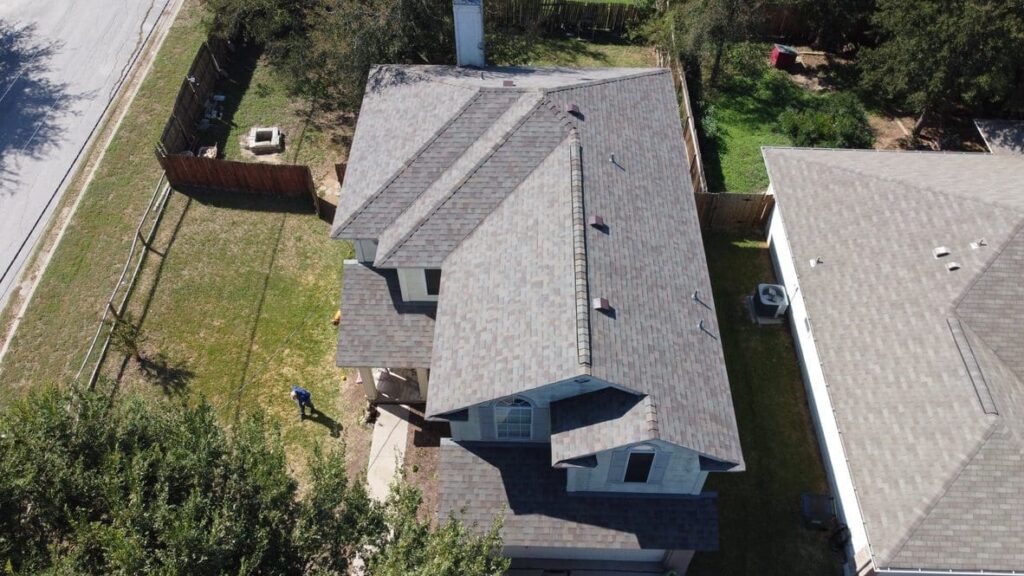
Understand the Main Types of Asphalt Roofing Shingles
Not all shingles provide the same appearance, durability, or protection. Comparing the main categories of asphalt roofing shingles is one of the first steps in choosing the right roof.
Three-Tab Shingles
Three-tab shingles have a flat, uniform appearance and are generally among the least expensive options. They can suit homeowners on a limited budget, rental properties, or buildings where a simple roof design is preferred.
Although economical, three-tab products usually offer fewer dimensional styles and may have lower wind or impact ratings than upgraded alternatives. Homeowners should carefully compare warranty terms and expected performance before choosing them primarily on price.
Architectural Shingles
Architectural shingles, sometimes called dimensional or laminated shingles, are constructed with multiple layers. These layers create a thicker profile and a more textured appearance than basic three-tab products.
They are popular because they typically provide:
- Better resistance to wind
- Greater visual depth
- A longer expected service life
- More color and style choices
- More comprehensive manufacturer warranty options
For many homes, architectural shingles provide an effective middle ground between affordability and enhanced performance.
Premium and Designer Shingles
Premium shingles are designed to reproduce the appearance of materials such as wood shakes or slate. They may feature heavier construction, distinctive shapes, richer colour blends, and upgraded protection.
These products generally cost more, but they can be worthwhile when architectural character and curb appeal are major priorities. Before selecting a premium product, confirm that the roof structure and installation plan support its weight and design.
Consider Austin’s Climate and Weather Risks
Choosing asphalt roofing for properties in Austin, TX, requires careful attention to local weather. High temperatures, strong ultraviolet exposure, thunderstorms, wind, and hail can gradually weaken a roof.
Heat and Sun Exposure
Continuous exposure to heat and sunlight can cause shingles to age, lose protective granules, or become brittle. Look for products designed for warm climates and strong UV exposure. Proper attic insulation and ventilation are equally important because trapped heat can accelerate deterioration from below. Some shingles are available in reflective or lighter-colored options that absorb less solar heat. Their effectiveness depends on the roof’s orientation, attic design, and overall ventilation system.
Hail and Impact Resistance
Impact-resistant shingles may provide additional protection during hailstorms. These products are tested according to standardised impact classifications, with Class 4 commonly representing the highest rating in widely used shingle testing.
An impact rating does not make a roof damage-proof, but it can improve its ability to withstand certain weather events. Homeowners should review product documentation and ask their insurance provider whether qualifying materials may affect policy costs or coverage.
Wind Resistance
Strong winds can lift poorly sealed asphalt roofing shingles and expose the roof deck to moisture. Compare manufacturer wind ratings, but remember that product ratings depend on correct installation. Nail placement, starter strips, edge protection, deck condition, and manufacturer-approved methods all influence wind performance.
Select the Right Shingle Colour and Style
A new roof covers a large portion of a home’s visible exterior, so colour selection deserves careful consideration. Rather than choosing from a small indoor sample, examine full-size shingles outdoors at different times of day.
Consider how the roof will coordinate with:
- Brick, stone, stucco, or exterior paint
- Siding colours and textures
- Window trim
- Gutters and fascia
- Garage doors
- Patio structures
- Surrounding homes and neighbourhood guidelines
Dark shingles can create a bold, defined appearance, while lighter or blended tones may make the roof feel softer and more expansive. Neutral shades generally offer broad design compatibility, but multi-tone shingles can add depth to a simple exterior.
When planning several exterior improvements, coordinate the roof with Siding, Windows, or a Patio Addition before finalizing colors. A unified plan can prevent expensive design conflicts later.
Evaluate the Complete Roofing System
A reliable roof is not created by shingles alone. Successful asphalt roofing installation depends on multiple components working together to manage water, heat, and airflow.
A complete system may include:
- A stable roof deck
- Water-resistant underlayment
- Ice-and-water protection in vulnerable areas
- Drip edge along roof edges
- Starter shingles
- Properly installed field shingles
- Flashing around chimneys, walls, skylights, and vents
- Ridge or hip cap shingles
- Balanced intake and exhaust ventilation
- Secure pipe boots and roof penetrations
Ask whether each component is included in the written estimate. A low quote may exclude important items or assume that existing materials can be reused. Base those decisions on an inspection, not price alone.
Compare Asphalt Roofing With Metal Roofing
Asphalt Roofing and Metal Roofing can both provide effective protection, but they serve different budgets, design preferences, and long-term goals.
Asphalt shingles generally cost less upfront and offer a familiar residential look. Individual damaged areas may also be easier to repair. Metal systems usually require a larger upfront investment but may offer a longer expected service life, strong weather resistance, and a distinctive architectural look.
The better option depends on factors such as:
- Available project budget
- Expected time in the home
- Roof slope and complexity
- Desired appearance
- Maintenance preferences
- Energy-efficiency goals
- Neighborhood or community restrictions
A qualified roofing professional can inspect the structure and explain which system best suits the property.
Review Warranties Carefully
Roofing warranties can be confusing because coverage may come from more than one source. The shingle manufacturer usually provides a product warranty, while the installer may offer a separate workmanship warranty.
Before signing an agreement, ask:
- What does the manufacturer’s warranty cover?
- Does coverage decrease over time?
- Is labor included when defective materials are replaced?
- Is the warranty transferable to a future owner?
- What actions could void the coverage?
- How long does the workmanship warranty last?
- Who handles a claim if a problem develops?
A lengthy warranty is not automatically comprehensive. Read the exclusions and maintenance requirements rather than relying solely on the advertised number of years.
How to Choose an Asphalt Roofing Contractor
The installer’s quality matters as much as the materials. When comparing asphalt roofing providers in Austin, TX, homeowners should look beyond the lowest bid.
A dependable asphalt roofing contractor should be able to provide:
- Appropriate licensing or registration where required
- Proof of current liability insurance
- Clear written project specifications
- Local references or a portfolio of completed roofs
- Detailed material and labor warranties
- A cleanup and property-protection plan
- An explanation of ventilation and flashing
- A realistic project schedule
- Transparent payment terms
- Information about manufacturer certifications
Be cautious when an estimate lacks product names, quantities, warranty details, or explanations of possible additional costs. A professional proposal should make it easy to understand what is being installed and how unexpected deck damage or structural issues will be handled.
Questions to Ask Before Signing a Roofing Contract
A detailed consultation can reveal whether the contractor has thoroughly evaluated the home. Ask questions such as:
- Will the existing roof be removed or covered?
- How will the contractor identify and price damaged decking?
- Which shingle manufacturer and product line will be used?
- What impact and wind ratings does the product have?
- How will attic ventilation be assessed?
- Will you install new flashing and drip edge?
- How will landscaping, driveways, and exterior fixtures be protected?
- Who will supervise the project?
- What happens if weather interrupts the work?
- How will nails and debris be removed after completion?
During a consultation with Genuine Texas Exteriors, homeowners can compare roofing materials and learn how installation decisions affect the completed system’s performance.
Plan for Maintenance After Installation
Even a professionally installed roof benefits from routine attention. Inspect the roof from the ground after major storms, and schedule a professional evaluation if you suspect damage.
Helpful maintenance practices include:
- Keeping gutters and downspouts clear
- Trimming branches away from the roof
- Checking the attic for stains or unusual moisture
- Watching for missing, lifted, or cracked shingles
- Inspecting flashing around penetrations
- Addressing moss or algae through approved methods
- Avoiding unnecessary foot traffic on the roof
- Keeping records of inspections, repairs, and warranty documents
Prompt attention to small concerns can help prevent water from reaching insulation, decking, drywall, or framing.
Frequently Asked Questions
1. How long does an asphalt shingle roof typically last?
Service life varies by product, installation quality, ventilation, maintenance, roof orientation, and weather exposure. Basic shingles may have a shorter useful life than architectural or premium products. Don’t treat the manufacturer’s warranty length as a guaranteed lifespan, because actual conditions vary from one home to another.
2. Can asphalt shingles withstand Austin’s heat?
Quality shingles can perform well in a hot climate when installed correctly. Heat-related performance also depends on adequate attic ventilation and insulation. Without balanced airflow, excessive attic temperatures can speed up aging and increase cooling demands.
3. Are impact-resistant shingles worth the additional cost?
They may be worthwhile for homeowners concerned about hail exposure and storm-related damage. Impact-resistant products can cost more initially, but their enhanced construction may provide better protection. Ask an insurance provider about possible policy considerations before assuming a specific product will qualify for savings.
4. Should an old roof be removed before installing new shingles?
Removal is often the better approach because it lets the contractor inspect the deck, replace damaged wood, correct flashing problems, and create a clean surface. Installing shingles over an existing layer may be permitted in some situations, but it can conceal defects and affect warranties or long-term performance.
5. How long does asphalt roofing installation take?
Many residential projects can be completed within several days, although timing depends on roof size, slope, complexity, weather, material availability, and the amount of deck repair required. The contractor should provide an estimated schedule and explain how they will protect the property if work is interrupted.
6. What are the warning signs that a roof needs replacement?
Common signs include widespread granule loss, curling or cracked shingles, repeated leaks, missing shingles, exposed underlayment, sagging areas, and deteriorated flashing. Roof age alone does not determine whether replacement is necessary. A professional inspection can distinguish isolated repair needs from broader system failure.
7. Can roofing work be coordinated with other exterior improvements?
Yes. Coordinating roofing with siding, windows, gutters, or patio construction can improve colour consistency and reduce duplicated labour. It also lets contractors plan flashing and water-management details where different exterior components meet.
Make a Confident Roofing Decision
When choosing asphalt roofing in Austin, TX, homeowners should look for options that balance cost, appearance, weather resistance, warranty coverage, and installation quality. Start with a professional inspection, compare product specifications carefully, and request a detailed proposal that covers the entire roofing system, not just the visible shingles.
Taking the time to compare materials, contractor qualifications, and long-term maintenance needs can lead to a roof that performs well and complements the home for years to come. Genuine Texas Exteriors provides roofing and exterior improvement solutions designed to help protect and update residential properties.
Ready to improve your property in Austin or a nearby community? Get directions to Genuine Texas Exteriors and schedule a professional roofing consultation today.