
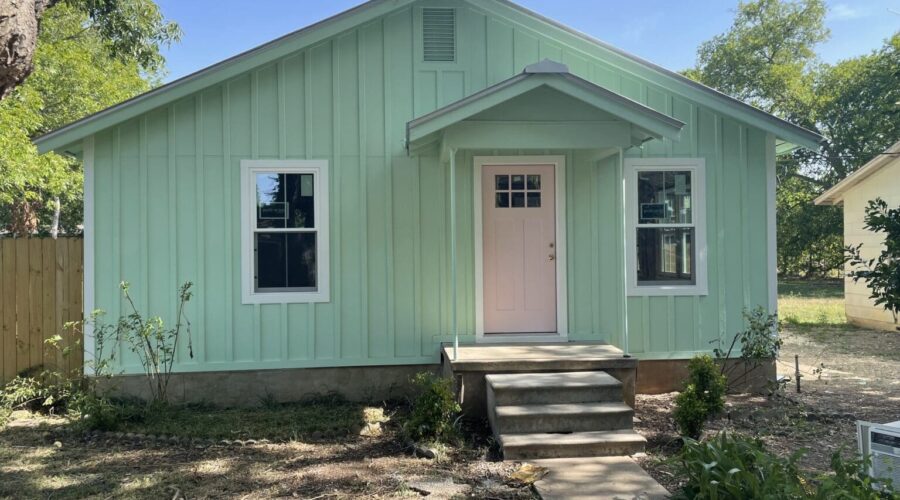
Table of Contents
- Planning and Preparing for an Exterior Upgrade
- Selecting the Right Materials for Central Texas Homes
- Preparing the Property Before Installation Begins
- Understanding the Professional Installation Process
- Understanding Project Timelines and Scheduling
- Evaluating Installation Costs and Material Choices
- Evaluating Workmanship and Long-Term Exterior Care
- Choosing an Experienced Installation Professional
- Conclusion
Upgrading a home’s exterior is an important investment that can improve its appearance, durability, and protection against changing weather conditions. For homeowners planning siding installation in Austin, understanding the entire process can help reduce uncertainty and support better decisions. Austin experiences intense summer heat, strong sunlight, seasonal rainfall, and occasional severe storms, so choosing the right exterior materials is especially important.
Planning and Preparing for an Exterior Upgrade
A successful exterior improvement begins with careful planning. Before physical work starts, homeowners should understand the property’s requirements, available material options, and factors that may affect the project’s scope.
Initial Property Assessment
The first stage of professional siding installation in Austin, TX, typically involves examining exterior walls, measuring the installation area, and identifying architectural features that influence material placement. Installation professionals evaluate windows, doors, corners, and other exterior transitions to determine the appropriate installation approach.
A Qualified siding installation company in Austin, Texas, should explain the findings of the assessment and help homeowners understand how property conditions influence material quantities, project scheduling, and installation methods.
Discussing Project Goals and Expectations
Homeowners should identify their preferred exterior appearance, maintenance expectations, and available budget before selecting materials. Consulting an experienced siding contractor in Austin, TX, can help homeowners compare available options and understand how architectural details may affect the final appearance.
Selecting the Right Materials for Central Texas Homes
Material selection influences both the appearance and long-term maintenance requirements of an exterior. Because Central Texas experiences high temperatures, strong sunlight, and seasonal moisture, homeowners should evaluate products based on their suitability for local conditions.
Common Types of Exterior Siding
Several materials are commonly considered for residential siding installation, including:
- Fiber cement siding: Offers durability, design flexibility, and resistance to several environmental conditions when installed according to manufacturer instructions.
- Engineered wood siding: Provides a wood-inspired appearance with protective properties that vary by product.
- Traditional wood siding: Creates a natural finish but generally requires more frequent maintenance.
Each material has different installation requirements, maintenance considerations, and pricing factors.
Climate and Maintenance Considerations
Choosing siding in Austin, TX, involves evaluating how exterior products respond to sunlight, temperature fluctuations, wind, and moisture. Homeowners should review manufacturer specifications and warranty conditions before making a decision.
A Reputable siding replacement company in Austin can discuss material compatibility with the property’s existing wall system and explain how different products may influence maintenance requirements over time.
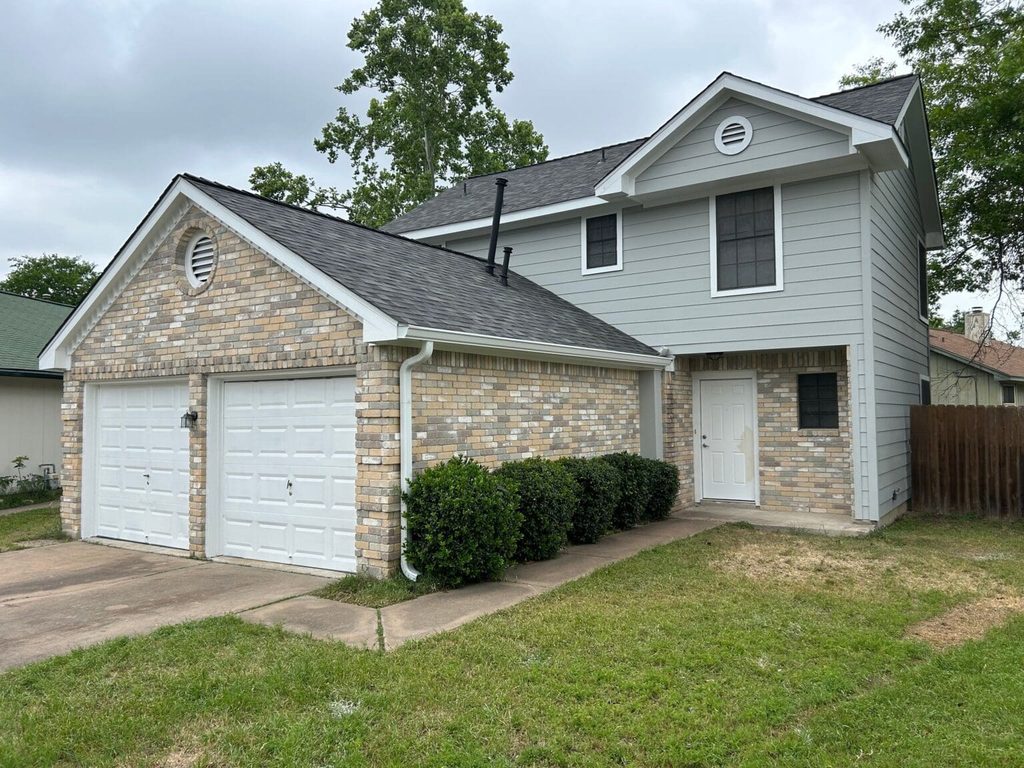
Preparing the Property Before Installation Begins
Preparation is an essential part of an organized exterior project. Creating clear access around the property allows installers to work efficiently while helping protect landscaping and outdoor belongings.
Essential Homeowner Preparation Steps
Before siding installation in Austin, TX, begins, homeowners should consider the following steps:
- Move patio furniture, outdoor decorations, and planters away from exterior walls.
- Trim shrubs or tree branches that block access to work areas.
- Provide sufficient space for material deliveries and equipment.
- Keep children and pets away from active construction areas.
- Secure fragile decorations on interior walls near installation zones.
These preparations can help minimize interruptions during the project.
Coordinating Access and Scheduling
During residential siding installation in Austin, Texas, installers may need access to different areas around the property. As part of the home improvement process, homeowners should discuss parking arrangements, access restrictions, landscaping protection, and material storage before work begins.
Understanding the Professional Installation Process
Knowledgeable siding installation in Austin generally follows a structured process that includes surface preparation, moisture protection, panel installation, finishing details, and final inspection.
Exterior Surface Preparation
The installation team begins by preparing exterior walls according to the agreed project scope. When existing panels are being replaced, they may be removed to allow an assessment of the underlying surfaces.
Moisture Barrier and Flashing Installation
Managing moisture is an important consideration for exterior wall assemblies. Appropriate water-resistive barriers, flashing, and related components help direct water away from vulnerable areas.
Measuring, Cutting, and Securing Panels
Once the surface is prepared, installers measure, cut, and position the selected materials. Correct alignment, fastening, spacing, and clearances help create a consistent appearance while supporting the intended performance of the siding system. A qualified siding installation company in Austin, Texas, should follow the manufacturer’s instructions for each specific product.
Completing Trim and Exterior Details
After the main panels are installed, the team completes trim around corners, doors, windows, and architectural features.
Understanding Project Timelines and Scheduling
Installation timelines vary based on property size, architectural complexity, material selection, and weather conditions. Understanding these factors can help homeowners plan around the work.
Factors That Affect Completion Time
Several conditions can influence the schedule for siding installation in Austin, Texas:
- The total exterior wall area.
- The number of stories and accessibility of work areas.
- Weather conditions during installation.
- Additional preparation identified during the project.
Smaller homes with straightforward layouts may require less time than larger properties with complicated exterior features.
Planning Around Weather Conditions
Central Texas weather can influence exterior installation schedules. Heavy rainfall, strong winds, or unsuitable working conditions may require temporary adjustments. An expert siding replacement company in Austin should provide a realistic estimated timeline and communicate when changes become necessary.
Evaluating Installation Costs and Material Choices
Understanding project pricing is an important part of planning an exterior upgrade. Costs vary depending on the home’s size, selected products, installation complexity, and finishing requirements.
Key Factors That Influence Pricing
The total cost of residential siding installation in Austin, TX, may depend on:
- Material type: Different products have different purchase prices and installation requirements.
- Exterior dimensions: Larger wall areas generally require more materials and labor.
- Architectural complexity: Corners, decorative elements, and multiple levels can increase installation time.
Comparing detailed proposals helps homeowners understand how the overall project cost is calculated.
Reviewing Written Estimates
When researching siding in Austin, Texas, homeowners should request estimates that clearly identify materials, labor, anticipated timelines, and other agreed project details. An experienced siding contractor in Austin, Texas, should explain the proposed scope and answer questions about material specifications and payment arrangements before work begins.
Evaluating Workmanship and Long-Term Exterior Care
The appearance of completed siding is important, but proper installation also involves following product specifications and paying attention to water-management details.
Important Quality Checks After Installation
Homeowners should review the following details during the final walkthrough:
- Trim around windows and doors is neatly completed.
- Corners and exterior transitions have appropriate finishing details.
- Required spacing and clearances follow manufacturer guidance.
Homeowners considering a siding installation company in Austin, TX, should inquire about quality inspection procedures and confirm whether a final walkthrough is included to ensure the completed work meets installation standards.
Maintenance Considerations for Homeowners
Different exterior materials require different levels of care. Homeowners should follow manufacturer recommendations for cleaning, inspection, and ongoing upkeep.
For properties with siding in Austin, periodic visual inspections after severe weather can help identify changes in appearance or areas that may need professional evaluation.

Choosing an Experienced Installation Professional
Selecting the right installation professional can influence project planning, communication, and the overall quality of the finished exterior.
Understanding Local Service Experience
Professionals familiar with Central Texas homes may offer useful guidance about common architectural styles, seasonal weather conditions, and material considerations.
For homeowners exploring exterior improvements, Genuine Texas Exteriors provides siding installation and replacement services throughout Austin and surrounding communities. Learning about the company’s service options can help property owners understand the considerations involved in planning an exterior upgrade.
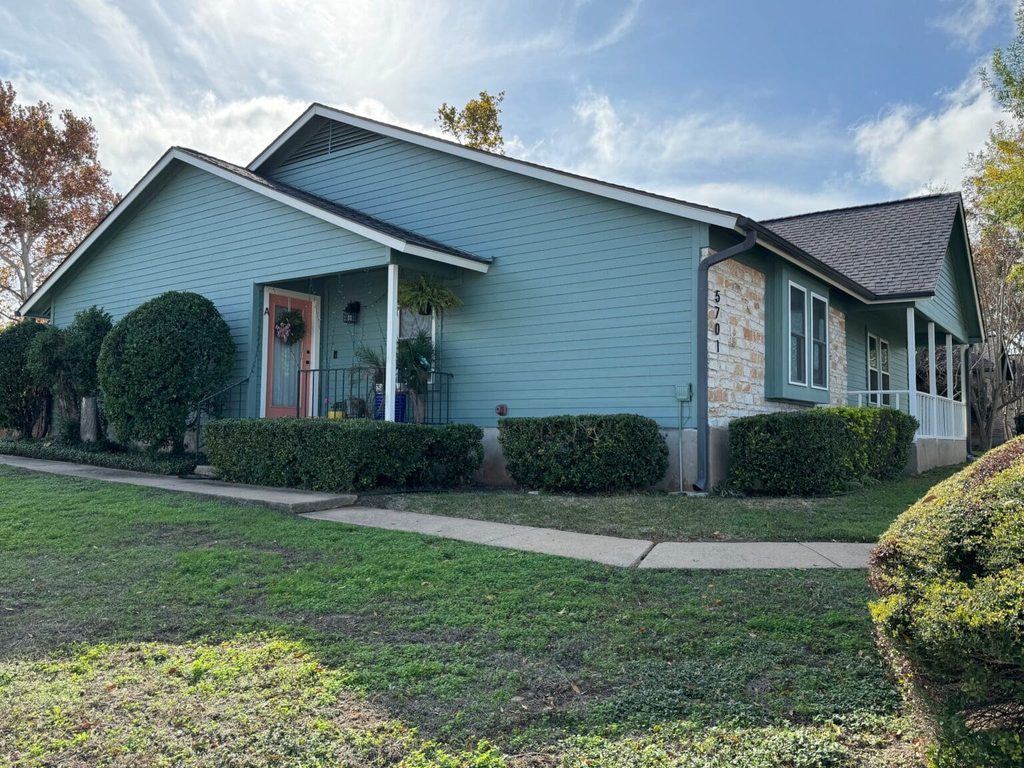
Frequently Asked Questions
How Long Does Siding Installation Usually Take?
The duration of siding installation in Austin, Texas, depends on property size, material selection, weather, and installation complexity.
What Siding Materials Are Suitable for Austin Homes?
Fiber cement, engineered wood, vinyl, and traditional wood are common options for residential properties in Austin. The most suitable material depends on the home’s construction, architectural preferences, maintenance expectations, and local climate conditions.
How Should Homeowners Prepare Their Property?
Before residential siding installation in Austin, Texas, clear outdoor items away from exterior walls, provide access for installers, and discuss landscaping protection.
What Determines the Cost of a Siding Project?
Costs are influenced by material type, total wall area, architectural details, accessibility, and finishing requirements.
How Can Homeowners Check the Quality of the Finished Work?
Review panel alignment, trim details, clearances, and the overall appearance of the completed exterior. Ask the installation team about manufacturer guidelines, maintenance recommendations, and available warranty documentation.
Conclusion
Understanding the process of siding installation in Austin, Texas, helps homeowners prepare for an exterior improvement project with greater confidence. From the initial property assessment and material selection to installation, finishing details, and final inspection, every stage requires careful planning. Choosing products suited to Central Texas weather, comparing written estimates, and reviewing installation requirements can make the process more organized.
Planning a siding upgrade in Austin? View Genuine Texas Exteriors on the Map to find the location and explore siding services.