

Plant aromas can tell an interesting story. The peppery scent of black pepper, the warmth of cloves, and certain woody cannabis aromas share a connection: a naturally occurring compound called beta-caryophyllene. The phrase beta-caryophyllene strains generally refers to cannabis varieties containing this aromatic compound, often in relatively prominent amounts. It does not describe a separate plant species or mean that beta-caryophyllene itself is a strain.
Table of Contents
What Is BCP?
BCP is short for beta-caryophyllene, a plant compound belonging to the terpene family. More specifically, it is a sesquiterpene, a chemical category associated with many aromatic plant substances. Terpenes contribute to the characteristic smells of flowers, herbs, spices, and other botanical materials. Cannabis varieties described as beta-caryophyllene strains contain this terpene, which contributes peppery, spicy, and woody notes to their aroma.
Where Does Beta-Caryophyllene Occur Naturally?
Cannabis is only one source. Beta-caryophyllene also occurs in black pepper, cloves, oregano, and other aromatic plants. Its presence across different species explains why familiar foods and botanical extracts can share similar scent characteristics. RHS Formula discusses these botanical origins in its article about where beta-caryophyllene comes from, including herbs, spices, essential oils, and cannabis.
What Makes a Cannabis Strain Caryophyllene-Rich?
Cannabis varieties contain different combinations of aromatic compounds, and those commonly called caryophyllene strains contain noticeable amounts of this terpene. However, “caryophyllene-rich” is a descriptive phrase, not a universal concentration standard.
A product may contain beta-caryophyllene alongside several other terpenes. Whether it is dominant depends on its measured concentration relative to those other compounds.
Why Strain Names Are Only a Starting Point
For readers in Edmonton, a familiar strain name does not guarantee a consistent chemical profile. Research examining commercial cannabis found variation in chemical composition among products sharing the same strain name. This makes measured composition more informative than a name alone.
For beginners, the practical lesson is straightforward: treat strain descriptions as introductions, then check the available evidence for the specific batch.
Understanding BCP in Cannabis
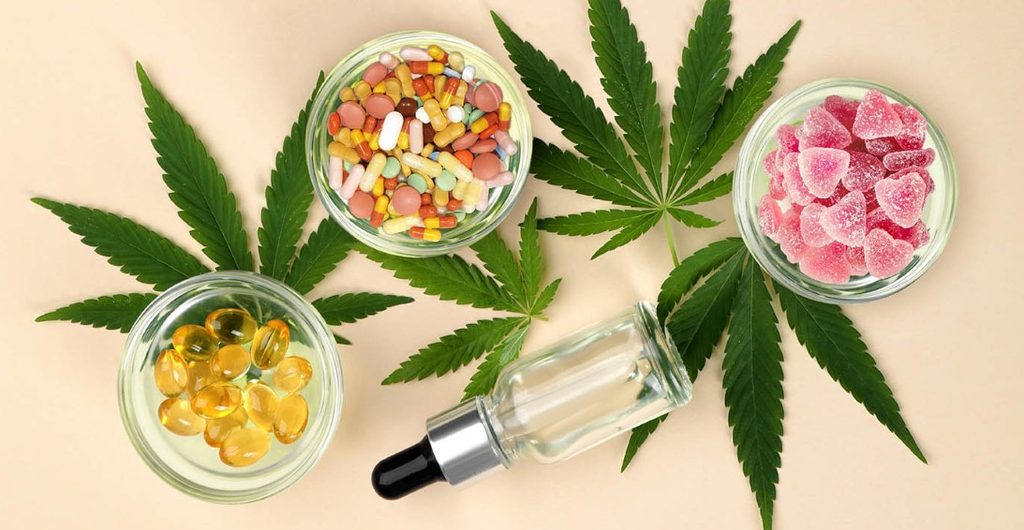
Cannabis contains a complex mixture of aromatic compounds and cannabinoids, with the naturally occurring terpene BCP in cannabis contributing to its overall aroma profile. Understanding this mixture helps explain why one terpene alone cannot reliably predict a product’s overall effects.
Aroma Does Not Establish Concentration
A peppery smell may suggest beta-caryophyllene contributes to an aroma, but scent cannot determine its exact amount. Other compounds influence the overall fragrance, and human perception varies.
Laboratory analysis provides a more reliable basis for comparing concentrations than descriptions such as “spicy,” “earthy,” or “strong.”
BCP Is Different From THC
Beta-caryophyllene is chemically distinct from THC. Experimental research has demonstrated activity at the CB2 cannabinoid receptor, which differs from the CB1 receptor strongly associated with THC’s intoxicating effects.
This finding helps explain the compound’s scientific interest. It does not establish that a cannabis product containing BCP is non-intoxicating or has proven treatment benefits.
How to Read a Terpene Report
A certificate of analysis, often called a COA, documents laboratory findings for a tested sample. When evaluating beta-caryophyllene strains, look for information that connects the report to the actual product.
Check the Batch and Units
Start with the product name, batch identifier, testing date, and laboratory details. A report for a different batch cannot confirm the composition of the item being evaluated.
Next, check the measurement units. Terpenes may be reported as percentages or milligrams per gram. For example, 0.5% by weight equals 5 milligrams per gram.
Read Beyond One Result
Consider beta-caryophyllene alongside the total terpene content and cannabinoid measurements. A single terpene result provides only part of the chemical picture.
Also distinguish “not detected” from “not tested.” These statements mean different things. Review the report’s explanations and ask for clarification when a result or testing limit is unclear.
What Does Beta-Caryophyllene Purity Mean?
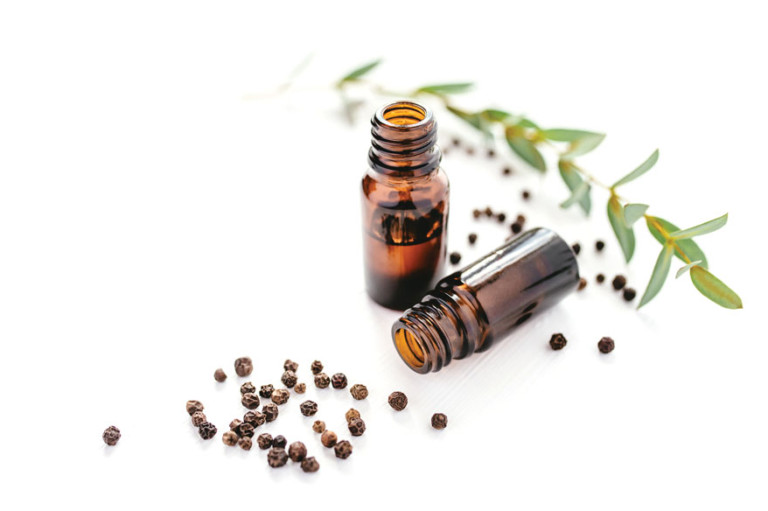
When assessing the composition and quality of isolated ingredients and concentrated extracts, understanding beta-caryophyllene purity helps clarify how much of the tested material consists of this specific compound. This measurement distinguishes an isolated ingredient from whole plant material, which naturally contains a broader mixture of substances.
Purity and Plant Concentration Are Different
A flower sample containing a small percentage of beta-caryophyllene is not automatically impure. Whole plants naturally contain many substances.
For an isolated ingredient, purity measures something different: the proportion attributable to that compound. Neither measurement alone confirms the absence of contaminants.
Quality Requires More Context
A meaningful assessment of beta-caryophyllene purity should include the material’s identity, intended use, analytical method, and relevant contaminant testing.
Avoid interpreting “natural,” “premium,” or “high purity” as complete evidence of quality. Clear documentation is more useful than an unsupported label.
Frequently Asked Questions
What Is BCP Compared With CBD?
BCP means beta-caryophyllene, an aromatic sesquiterpene. CBD means cannabidiol, a different plant compound. They are not interchangeable ingredients, and research on one should not automatically apply to the other.
Do All Caryophyllene Strains Have the Same Aroma?
No. Different terpene combinations create different overall aromas. Even when beta-caryophyllene is present, other compounds can make the scent seem more floral, citrus-like, herbal, or woody.
Can BCP in Cannabis Tell You How Strong a Product Is?
It cannot establish THC strength or reliably predict an individual experience. Cannabinoid measurements provide separate information. Don’t interpret terpene percentage as a direct measure of intoxication or therapeutic effectiveness.
Does a Higher BCP Percentage Mean Better Quality?
No. A higher concentration describes composition, not overall quality. Batch identification, testing methods, contaminant results, and accurate labelling provide additional context. “More” does not automatically mean safer or more suitable.
Are Health Benefits Guaranteed?
No. Laboratory findings and animal experiments cannot establish that every BCP-containing product will produce the same benefits in people. Treatment claims require appropriate human evidence for the specific preparation and intended use. Ask a qualified healthcare professional about health-related decisions.
Conclusion
Beta-caryophyllene strains are best understood through their measured terpene profiles. Strain names and aromas offer useful context, while batch-specific reports provide stronger evidence about composition. Reviewing beta-caryophyllene alongside other terpenes and cannabinoids helps build a clearer picture of each product. For beginners, the key is to check testing details, understand measurement units, and avoid assuming that a higher concentration automatically means better quality or guaranteed benefits.