
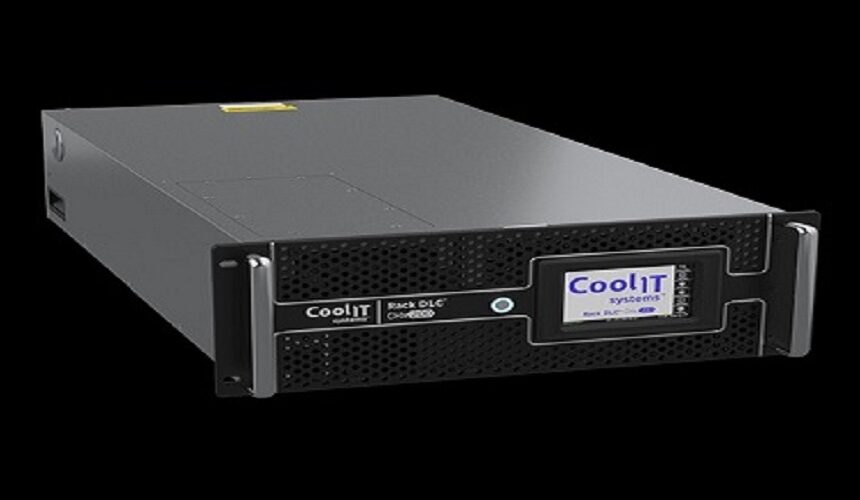
Modern artificial intelligence workloads are driving unprecedented demand for computing power. As data processing, model training, and inference tasks scale rapidly, traditional air-based cooling methods struggle to keep up with the resulting heat output. This has created a strong shift toward more efficient thermal management approaches. One of the most impactful innovations driving this transformation is direct liquid cooling for servers, which is redefining how high-density computing environments manage heat.
Table of Contents
- Understanding Direct Liquid Cooling Servers in Modern Data Centers
- How Direct Liquid Cooling Technology Works
- Why AI Infrastructure Depends on Liquid-Based Cooling?
- Key Benefits
- Challenges in Adopting Liquid Cooling Systems
- The Future of Advanced Server Cooling Solutions
- FAQs
- What makes direct liquid cooling servers different from traditional cooling methods?
- Why is liquid cooling important for AI infrastructure?
- Are liquid loop cooling systems safe for data centers?
- What are the main advantages of adopting advanced server cooling solutions?
- Is direct liquid cooling suitable for all types of servers?
- FAQs
- Conclusion
Understanding Direct Liquid Cooling Servers in Modern Data Centers
Direct liquid cooling servers are computing systems designed to transfer heat away from processors and other high-performance components using liquid rather than air. Unlike conventional cooling methods that rely on fans and room ventilation, this approach brings the coolant closer to heat-generating components, enabling faster, more efficient thermal transfer.
This approach is often part of broader advanced server cooling solutions, enabling data centers to operate at higher performance levels without overheating risks. It is particularly valuable in environments running AI model training, machine learning workloads, and high-performance computing clusters.
How Direct Liquid Cooling Technology Works
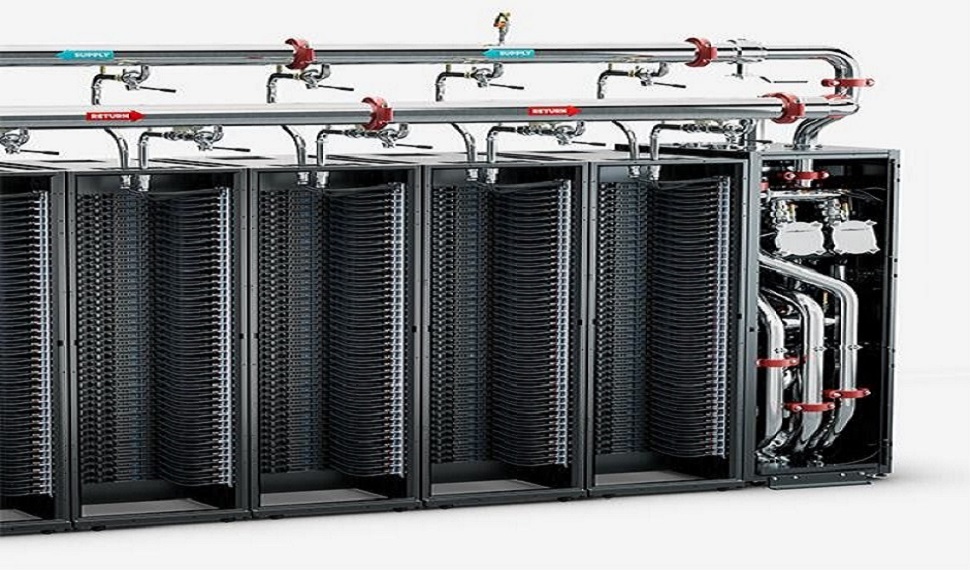
At the core of this innovation is cooling technology, which uses specially engineered fluids to absorb and transport heat. These systems often rely on sealed or semi-sealed configurations where liquid flows through cold plates attached directly to processors.
Liquid Loop Cooling Systems in Action
A key mechanism behind this process is liquid loop cooling systems. In these systems, coolant circulates continuously through a loop that includes Canada, enabling efficient heat transfer and stable temperature control across high-performance computing environments. In these systems, coolant circulates continuously through a loop that includes:
- Cold plates mounted on CPUs or GPUs
- Tubing or channels carrying heated liquid away
- Heat exchangers that release absorbed heat
- Pumps that maintain steady circulation
The result is a highly efficient thermal cycle that removes heat far more effectively than air-based systems. This design also allows servers to maintain stable performance under heavy computational loads.
Why AI Infrastructure Depends on Liquid-Based Cooling?
AI workloads are not only computationally intensive but also highly continuous. Training large language models or running real-time inference engines generates sustained heat that conventional struggles to manage.
The adoption of direct liquid cooling servers is driven by several infrastructure needs:
Higher Computational Density
One of the most important drivers of the adoption of direct liquid-cooled servers is the increasing density of modern computing environments. Today’s AI workloads require powerful GPUs and CPUs packed closely together within server racks to maximize processing capability.
Energy Optimization
Cooling is one of the largest contributors to energy consumption in data center operations. Traditional air-based systems require extensive airflow management, high-speed fans, and large HVAC installations, all of which increase power usage and operational costs.
Thermal Stability for AI Workloads
AI models, especially those used for deep learning and real-time analytics, require highly stable performance environments. Even small fluctuations in temperature can impact processing speed, efficiency, and output accuracy.
Key Benefits
The transition toward liquid-based cooling brings a wide range of advantages that extend beyond temperature control.
Improved Energy Efficiency
One of the most significant benefits is a reduced reliance on large-scale air-conditioning systems. By directly removing heat liquid loop cooling systems minimize wasted energy and improve sustainability.
Enhanced Hardware Longevity
Excessive heat is one of the leading causes of hardware degradation. Efficient thermal management helps extend the lifespan of CPUs, GPUs, and memory modules.
Support for High-Performance Computing
AI training clusters often operate at near-maximum capacity. Advanced server cooling solutions ensure that systems can maintain performance without throttling due to heat buildup.
Reduced Physical Space Requirements
Because liquid cooling systems are more efficient, data centers can achieve higher compute density in smaller footprints. This is especially valuable in environments where space optimization is essential.
Lower Noise Levels
Unlike traditional cooling systems that rely heavily on high-speed fans, liquid-based systems operate more quietly, thereby improving operational environments.
Challenges in Adopting Liquid Cooling Systems
While the benefits are substantial, implementing direct liquid cooling technology also entails considerations organizations must address.
Initial Infrastructure Investment
Transitioning from traditional air-based cooling systems requires significant changes in server architecture, facility layout, and supporting infrastructure. This often includes investing in specialized components such as cold plates, coolant distribution units, and advanced piping systems.
Maintenance Complexity
Liquid-based cooling systems require precise monitoring to ensure stable and reliable operation. Unlike air cooling, these systems involve fluid circulation, which introduces additional maintenance requirements such as leak detection, pressure monitoring, and coolant quality checks.
Integration with Existing Systems
One of the key challenges in adopting direct liquid cooling servers is compatibility with existing infrastructure. Many legacy data centers were originally designed for air-based cooling, which makes direct integration difficult without modifications.
Safety and System Design
Ensuring safe containment and fluid management is essential to prevent damage to sensitive electronic components. Despite these challenges, ongoing innovation continues to make servers more accessible and scalable.
The Future of Advanced Server Cooling Solutions
As AI continues to evolve, it will play a central role in shaping the next generation of computing infrastructure. The demand for higher processing power is expected to increase, pushing traditional cooling methods further toward obsolescence.
Future developments are likely to include:
- Improved coolant materials with higher thermal conductivity
- Smarter automation for thermal regulation
- Greater integration with AI-driven monitoring systems
These innovations will strengthen the role of advanced server cooling solutions in supporting increasingly complex workloads.
FAQs
What makes direct liquid cooling servers different from traditional cooling methods?
Direct liquid cooling servers use liquid to absorb heat directly from high-performance components, while traditional systems rely on air circulation. This allows for faster heat removal and more stable operating temperatures.
Why is liquid cooling important for AI infrastructure?
AI systems generate significant, continuous heat due to their constant processing demands. It ensures that servers remain within safe operating temperatures, preventing performance throttling.
Are liquid loop cooling systems safe for data centers?
Yes, when properly designed and maintained, liquid loop cooling systems are safe and highly reliable. They are built with sealed components and monitoring mechanisms that minimize leakage risks.
What are the main advantages of adopting advanced server cooling solutions?
Advanced server cooling solutions offer improved energy efficiency, better hardware protection, and enhanced performance stability. They also help reduce operational costs over time by lowering energy consumption and minimizing equipment failure caused by heat stress.
Is direct liquid cooling suitable for all types of servers?
While highly effective, it is primarily used in high-performance computing environments, including AI workloads, data centers, and research facilities. Not all server setups require this level of cooling; it provides a significant advantage in performance and efficiency.
Conclusion
The evolving demands of computing are reshaping how infrastructure is designed and maintained. With rising workloads in artificial intelligence and data-intensive applications, direct liquid cooling servers are becoming a foundational element of modern digital ecosystems. If you are exploring ways to enhance your infrastructure efficiency and future-proof your AI systems, now is the time to consider smarter thermal strategies. Get in touch today to explore how liquid cooling can transform your computing performance.