
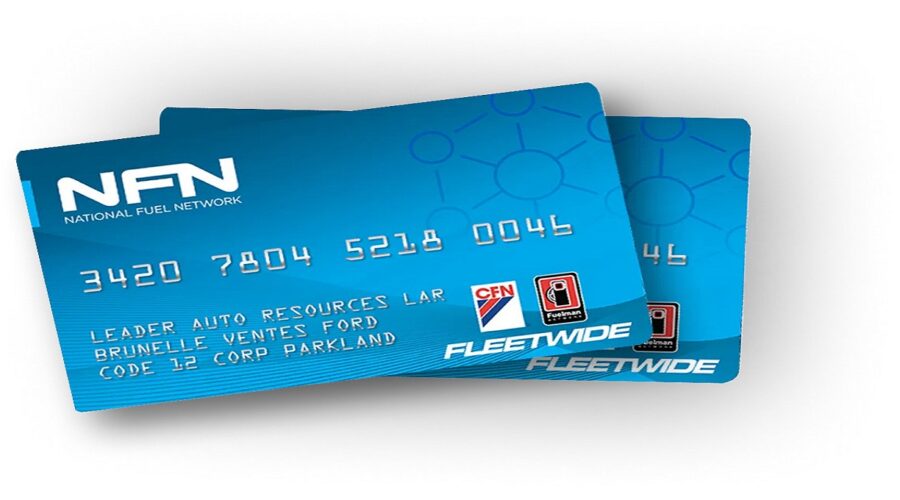
Fuel is one of the largest operating expenses for many businesses in the United States. Whether managing delivery vehicles, commercial trucks, service vans, or company cars, controlling spending is essential for maintaining profitability. This is where a fuel card company plays an important role by providing businesses with specialized payment solutions designed for purchases, expense tracking, and operational control. They allow companies to monitor transactions, set purchasing controls, access detailed reports, and improve overall spending visibility. Modern solutions also support fleet management by helping business owners understand where, when, and how fuel is being used.
Table of Contents
What Is a Fuel Card Company?
A fuel card company is a provider that offers payment cards specifically designed for businesses that purchase fuel regularly. These companies work with stations, payment networks, and fleet operators to create systems that make fuel purchases easier to control and track.
A typical fuel card program allows businesses to:
- Issue fuel cards to drivers or vehicles
- Set spending limits and restrictions
- Receive transaction reports
- Identify unusual purchasing activity
For business owners, a fuel card is more than a payment method. It is a tool that connects purchasing with financial reporting and operational decision-making.
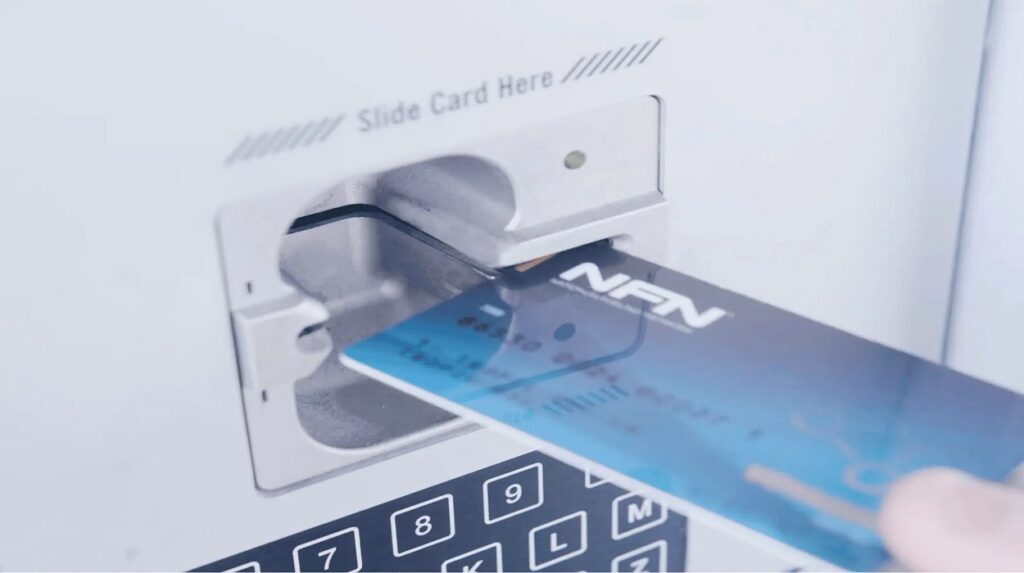
How Does a Fuel Card System Work?
A fuel card system generally involves several key steps that connect businesses, drivers, and payment processors. National Fuel Network provides payment solutions designed to help businesses streamline expenses and manage fleet-related costs more efficiently.
1. Business Enrollment and Account Setup
The process begins when a company selects a card provider and creates an account. The business provides details about its fleet size, vehicle types, and operational requirements.
After approval, the company receives cards assigned to specific drivers, vehicles, or departments. This structure helps prevent unauthorized fuel purchases and improves expense management.
2. Drivers Use Cards at Approved Fuel Locations
Drivers use the assigned cards at participating stations in the United States. Many programs work with extensive fuel station networks, allowing drivers to access convenient fueling locations during daily operations.
A nationwide card can be especially useful for businesses operating across multiple states because drivers can refuel while traveling between different regions without relying on manual reimbursement processes.
3. Transactions Are Recorded Automatically
Each purchase is recorded with important information such as:
- Date and time of transaction
- Vehicle or driver details
- Total cost
This data gives business owners better insight into fuel consumption patterns and helps support accurate accounting.
4. Businesses Review Reports and Control Spending
A major advantage of working with a fuel card company is access to reporting tools. Business owners and fleet managers can review activity, identify trends, and make informed decisions.
Detailed reports can help answer questions such as:
- Which vehicles consume the most fuel?
- Are fuel expenses increasing unexpectedly?
- Where can operational improvements be made?
The Role of Fuel Cards in Fleet Fuel Management
Businesses with multiple vehicles often face challenges such as rising fuel prices, inefficient driving habits, and limited visibility into spending. Effective fleet fuel management involves monitoring, controlling, and optimizing related expenses. It help address these challenges by providing centralized tracking and better control over purchases.
Improved Expense Visibility
Instead of collecting paper receipts or manually tracking purchases, companies can access organized transaction data. This makes financial planning and expense reporting more accurate.
Better Driver Accountability
Fuel cards can include restrictions based on vehicle type, fuel type, purchase amount, or transaction frequency. These controls help businesses maintain clear policies.
Easier Budget Planning
Consistent reporting allows companies to forecast expenses more effectively. Business owners can analyze historical spending and adjust operating strategies when needed.
What Services Does a Fuel Card Company Provide?
A professional card provider typically offers more than payment processing. Services may include:
Fuel Purchase Management
Businesses can manage expenses through dedicated accounts instead of combining fleet purchases with general business spending.
Reporting and Analytics
Digital dashboards provide information that helps managers understand usage, spending patterns, and operational performance.
Security Features
Many fuel card programs include driver identification requirements, purchase restrictions, and monitoring tools to reduce misuse.

How Fuel Cards Benefit Different Types of Businesses
Fuel card solutions can support many industries throughout the USA, including:
- Transportation companies
- Construction businesses
- Landscaping services
- Delivery operations
- Plumbing and electrical contractors
- Field service companies
- Local and regional fleets
Small businesses benefit from better expense organization, while larger fleets gain improved control over complex operations.
How to Choose the Right Fuel Card Provider
Selecting the right provider requires evaluating several important factors. National Fuel Network helps businesses access practical fuel management options designed for modern fleet needs.
- Check Network Availability: Businesses should consider whether the provider offers access to fueling locations that match their operating routes.
- Review Reporting Features: Strong reporting tools help managers make decisions based on accurate data.
- Understand Fees and Terms: Before choosing a program, business owners should review pricing structures, transaction fees, and account requirements.
- Consider Business Growth: A good card solution should support future expansion, whether adding vehicles, drivers, or new service areas.
Frequently Asked Questions
What does a fuel card company do?
A fuel card company provides specialized payment solutions that help businesses manage purchases. These providers connect businesses with fuel networks and offer tools for tracking transactions, controlling spending, and improving reporting.
Are fuel cards only for large fleets?
No. It can benefit both small businesses and large fleet operators. A company with a few vehicles can use to simplify expense tracking, while larger organizations can use advanced reporting features for complex fleet management.
Can fuel cards be used at different gas stations?
Usage depends on the provider’s station network. Many programs provide access to multiple locations, making them useful for businesses that operate across cities, regions, or states.
How do fuel cards help reduce expenses?
Fuel cards help reduce unnecessary costs by improving spending visibility, setting purchasing controls, and identifying unusual transactions. Better data allows businesses to make informed decisions about vehicle usage and fleet fuel management service.
Is a fuel card different from a business credit card?
Yes. While both may be used for purchases, they are specifically designed for related expenses. They often provide specialized tracking, driver controls, and reporting features that general business credit cards may not offer.
What information can businesses track with fuel cards?
Depending on the provider, businesses may track purchase dates, quantities, locations, costs, and vehicle or driver activity. This information supports better financial management and operational planning.
Conclusion
Managing fuel expenses can become challenging as businesses grow and vehicle operations expand. A reliable company provides businesses with better control, improved reporting, and tools that make spending easier to manage. By using payment technology, companies can reduce administrative work, strengthen accountability, and gain valuable insights into daily operations. For businesses looking to improve tracking and operational efficiency, selecting the right provider can make a measurable difference.