
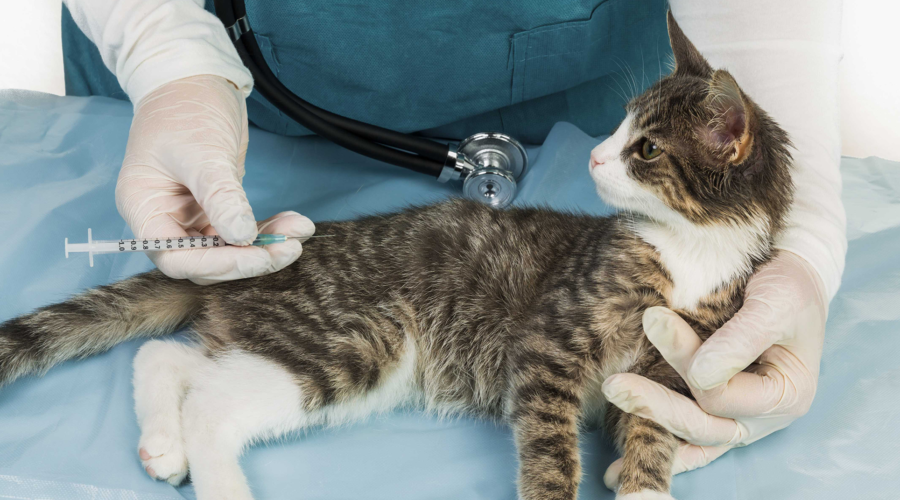
Cats are masters at hiding discomfort. By the time a serious illness shows visible symptoms, it’s often already progressed further than anyone would like. That’s exactly why prevention matters so much — and why cat vaccination is one of the most important things you can do as a responsible pet owner in Encino.
It’s not just about ticking a box on your vet checklist. Staying consistent with your cat’s vaccine schedule is a decision that directly impacts how long and how well your cat lives. And yet, it’s something thousands of cat owners put off, forget, or skip altogether — often without realizing the risk they’re taking.
Table of Contents
- The diseases vaccines protect against are serious
- Indoor cats are not off the hook
- Skipping boosters is more risky than most people think
- What a proper vaccination visit actually looks like
- The cost of prevention vs. the cost of treatment
- How often should you actually bring your cat in?
- Frequently asked questions
- Your cat is counting on you
The diseases vaccines protect against are serious
This isn’t about minor sniffles. The illnesses that core cat vaccines guard against are genuinely dangerous — some are fatal, especially in younger or immunocompromised cats.
Feline Panleukopenia, for example, attacks the white blood cells and digestive system. Without vaccination, kitten mortality rates from this disease can be devastating. Feline Herpesvirus and Calicivirus cause severe upper respiratory infections that, once contracted, can stay in a cat’s system for life and flare up repeatedly. Rabies, while less common in domestic cats, is nearly always fatal once symptoms appear — and California law strongly recommends vaccination for all cats, indoor or not.
These aren’t rare, exotic diseases. They’re real threats that cats in Encino and across the San Fernando Valley face more than most owners realize.
Indoor cats are not off the hook
This is probably the most common misconception among cat owners. If your cat never steps outside, you might feel like vaccines are unnecessary. That thinking, while understandable, isn’t entirely accurate.
Viruses don’t always need your cat to go outside to reach them. They travel on your clothes and shoes, through window screens, and on other animals that visit your space. Feline Panleukopenia can survive on surfaces for months. One visit from a neighbor’s pet or a stray that brushes against your door is all it takes.
Every cat — indoor or outdoor — benefits from staying current with their core vaccines. If you’re unsure where your cat stands with their schedule, a nearby veterinary clinic can review their records and help them get back on track quickly.
Skipping boosters is more risky than most people think
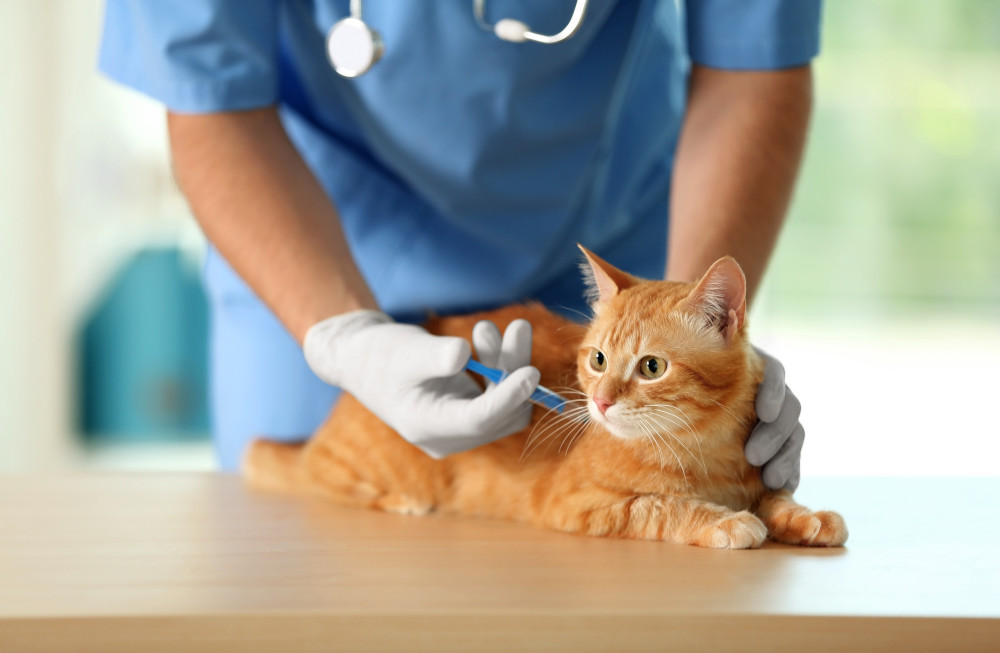
A lot of cat owners are diligent about kitten vaccines, but then quietly let the adult boosters lapse. Life gets busy, the cat seems healthy, and the appointment keeps getting pushed back. It’s completely understandable — but it does leave a gap in protection.
Core vaccines like FVRCP are typically boosted every one to three years in adult cats, depending on the individual animal’s risk level and the specific product used. Rabies boosters follow their own schedule based on local regulations. Letting these slides doesn’t just reduce protection gradually — in some cases, it resets immunity almost entirely, meaning your cat may need to restart the series.
If it’s been a while since your cat’s last vaccination appointment, the good news is that catching up is straightforward. A visit to a trusted cat vaccination clinic in Encino is all it takes to assess where they are and what they need.
What a proper vaccination visit actually looks like
A good vaccine appointment is more than a quick jab. At a quality local veterinary clinic, your cat should receive a physical examination before any vaccine is administered. This helps the vet confirm that your cat is healthy enough to be vaccinated and to catch anything that might need attention.
The vet will review your cat’s vaccination history, assess their lifestyle and risk factors, and recommend the appropriate vaccines. You should leave with clear records, a schedule for the next visit, and a solid understanding of what was given and why.
If you’ve recently adopted a cat with an unknown history — a rescue or informal rehome — this first appointment is especially important. Cats with incomplete records are typically treated as unvaccinated and started on a proper primary series.
For cat owners in Encino and the surrounding San Fernando Valley, getting this right from the start sets your cat up for a much healthier life ahead.

If it’s been a while — or if you’re simply not sure — now is the right time to check in. Your cat’s health is worth that one appointment.
The cost of prevention vs. the cost of treatment
Here’s the part that often puts things in perspective. The cost of keeping up with cat vaccination near you is a fraction of what treating the diseases those vaccines prevent would actually cost. Managing a severe Calicivirus infection, a Panleukopenia diagnosis, or a rabies exposure incident can run into thousands of dollars — and that’s when treatment is even possible.
Routine cat vaccinations, on the other hand, are one of the most affordable parts of pet ownership. Many local clinics offer wellness packages that bundle vaccinations with annual exams, making it even more accessible for Encino cat owners to stay consistent with their care.
Protecting your cat through cat vaccination in Encino isn’t just the responsible choice — it’s also the financially smarter one in the long run.
How often should you actually bring your cat in?
As a general rule, kittens need vaccines starting at around 6 to 8 weeks of age, with follow-up doses every three to four weeks until they’re about 16 weeks old. After that, adult boosters are typically needed every one to three years, depending on the specific vaccine and your cat’s individual risk level.
If you’re not sure where your cat falls on that timeline, don’t guess. A quick call to a nearby veterinarian can clear it up in minutes, and most clinics are happy to pull up records and give you a clear picture of what’s due and when.
Frequently asked questions
Do indoor cats in Encino really need vaccines?
Yes, absolutely. Even cats that never go outside can be exposed to viruses through clothing, visitors, or other animals. Core vaccines like FVRCP and rabies are recommended for all cats regardless of lifestyle, and rabies vaccination is strongly advised under California health guidelines.
How do I know if my cat’s vaccines are up to date?
Check your cat’s vaccination records from their last vet visit. If you don’t have them or aren’t sure, visit a veterinarian in Encino for a quick wellness check — they can review prior records or assess your cat’s needs based on their age and history.
What should I do if my cat missed their booster shot?
Don’t panic — it happens. Contact a cat vaccination clinic in Encino as soon as possible. Depending on how long it’s been, your vet may recommend a simple booster or restarting a short vaccine series. Either way, catching up is always better than continuing to wait.
Your cat is counting on you
Cats don’t remind you about their vet appointments. They don’t show you when something feels off until it’s already serious. Staying on top of their vaccination schedule is one of the quietest, most impactful things you can do for them.