
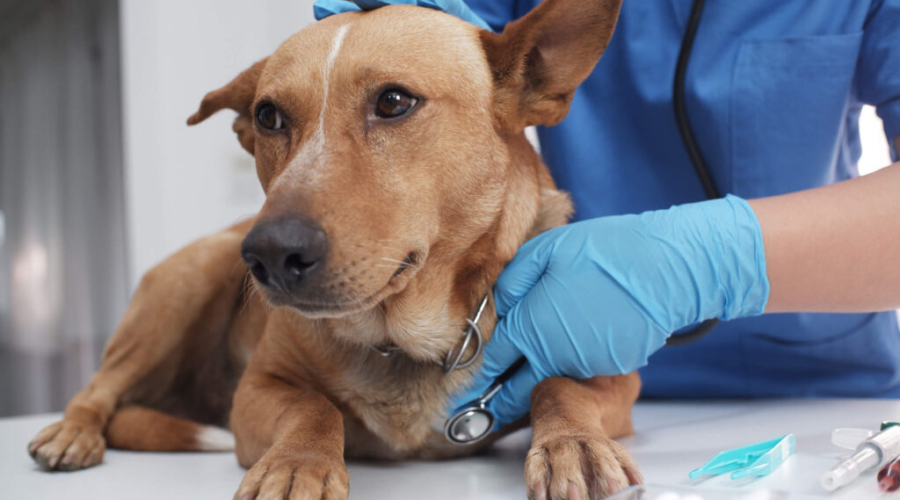
Dogs are curious, opportunistic, and remarkably indiscriminate about what goes in their mouths. Socks, corn cobs, toy parts, hair ties, chicken bones, rocks, and the occasional item of clothing are among the things veterinary teams regularly retrieve from the digestive tracts of otherwise sensible-seeming dogs. If you have a dog, the odds are reasonable that at some point you will either watch them swallow something worrying or discover the evidence after the fact.
- The First Thing to Do When Your Dog Swallows Something
- What Happens at the Vet After Your Dog Swallows Something
- When Does a Swallowed Object Become a Surgical Emergency
- What Dog Foreign Body Surgery Actually Involves
- Recovery After Foreign Body Surgery
- How to Reduce the Risk of Your Dog Swallowing Something
- FAQs
- How do I know if my dog’s swallowed object has passed safely?
- Can my dog eat normally while waiting to see if something passes?
- How quickly does a foreign body obstruction become dangerous?
- Is endoscopy an option instead of surgery for some objects?
- What is the cost of foreign body surgery for a dog in Encino?
- When Your Dog Swallows Something, Time Matters
- FAQs
The question every owner faces in that moment is the same. Is this going to pass on its own or is this a problem? The honest answer depends on what was swallowed, how much, how long ago, and what the dog is showing symptom-wise. Some things pass without incident. Others cause serious, life-threatening obstruction that needs urgent attention and in many cases surgery to resolve.
Knowing how to tell the difference, what to do in the first few minutes, and what the process looks like from the first vet visit through to recovery is genuinely useful information for any dog owner in Encino. If your dog has swallowed something and is showing serious symptoms right now, call your vet immediately before reading further.
For Encino dog owners who want to understand the full picture, from ingestion through to dog surgery in Encino when it is needed, this guide covers everything worth knowing.
The First Thing to Do When Your Dog Swallows Something
The instinct for most owners is to either induce vomiting immediately or wait and hope for the best. Both of these approaches can be wrong depending on the situation, and knowing what to do first makes a real difference.
Call your vet or the Pet Poison Helpline at (855) 764-7661 before doing anything else. This is the single most important first step. What your dog swallowed determines everything that comes next, including whether inducing vomiting is safe or whether it would make things significantly worse.
Some objects are more dangerous coming back up than going down. Sharp objects like bones and metal fragments can lacerate the esophagus during vomiting. Batteries and corrosive chemicals cause additional damage to the esophageal lining if brought back up. For these objects, a vet visit is the right move without attempting anything at home first.
For some other objects, inducing vomiting within a short window after ingestion is the most effective way to retrieve the item before it moves further into the digestive tract. But the window is narrow, typically one to two hours, and the method matters. A phone call takes 60 seconds and gives you direction from someone qualified to advise on your specific situation. It is always the right first move.
What Happens at the Vet After Your Dog Swallows Something
The vet visit after a dog swallows a foreign object follows a fairly predictable sequence, and knowing what to expect helps you move through it more efficiently.
The vet will ask you what was swallowed, approximately how much, and when. If you saw it happen, be as specific as possible. The history you provide shapes every decision that follows.
A physical examination assesses your dog’s abdomen for pain, distension, or palpable masses. Vital signs are checked. The mouth and throat are examined if the object may still be in the upper airway or esophagus.
Imaging is almost always the next step. Digital X-rays show radio-opaque objects like metal, bone, and dense plastic clearly. Soft objects like fabric and rubber show up through the secondary signs they produce, including gas patterns, intestinal dilation, and abnormal fluid distribution. Abdominal ultrasound adds another layer of information for soft tissue concerns that X-ray alone cannot fully characterize.
Together these tools give the vet a clear picture of where the object is, whether it is moving or stuck, and whether it needs immediate intervention. Any dog owner looking for an emergency vet near them in Encino during this kind of situation will find that a practice with in-house imaging capability makes the diagnostic process significantly faster and less stressful.
If your dog has swallowed something and you are in Encino, do not wait for obvious distress before making the call. Encino Pet Hospital and Emergency handles pet surgery near you in Encino including foreign body retrieval and intestinal surgery with in-house digital X-ray, ultrasound, and a dedicated surgical suite. Open seven days a week including holidays.
When Does a Swallowed Object Become a Surgical Emergency
This is the question at the center of every foreign body case, and the answer depends on several factors the vet weighs based on imaging findings and the dog’s clinical presentation.
Not every swallowed object requires surgery. Small, smooth objects that have already reached the stomach and are moving through the intestinal tract without obstruction can sometimes be monitored with serial X-rays to confirm they are passing normally.
Surgery becomes necessary when the object is causing a complete or partial obstruction, when perforation of the stomach or intestinal wall has occurred or is at risk, when the object cannot be retrieved endoscopically, or when the dog is deteriorating and conservative management is no longer appropriate.
Linear foreign bodies, the category that includes string, ribbon, tinsel, and rope toys, are among the most surgically urgent. When one end anchors in the stomach while the rest extends into the intestines, the intestines begin to bunch along the string as they contract. This causes the string to cut through the intestinal wall from the inside, leading to perforation and release of intestinal contents into the abdominal cavity. This is a life-threatening situation that needs veterinary surgery in Encino as quickly as possible once identified.
What Dog Foreign Body Surgery Actually Involves
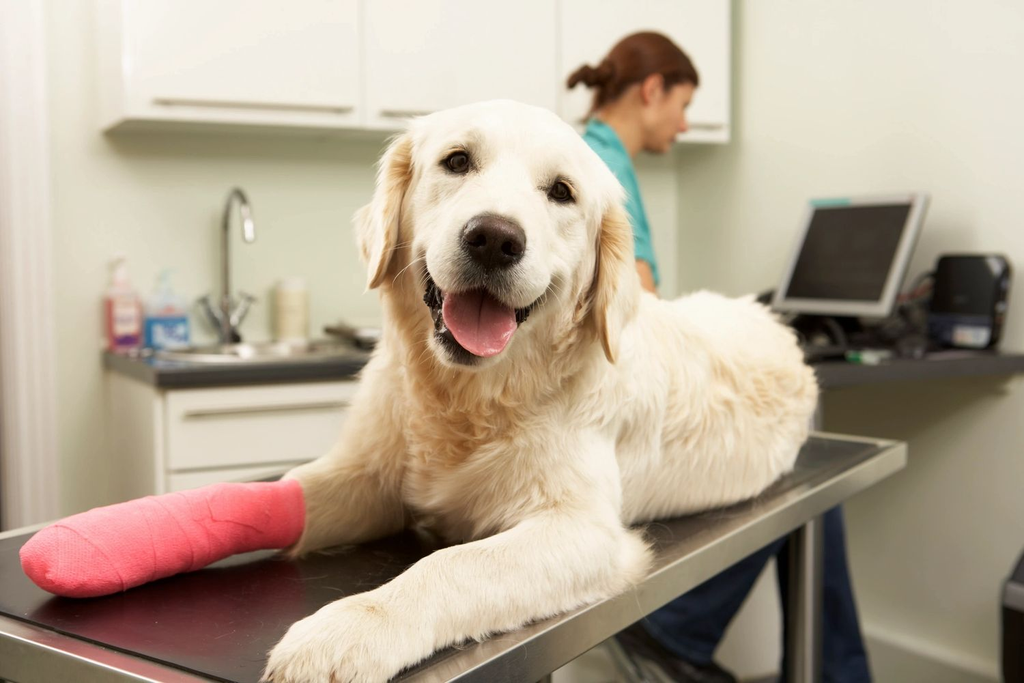
For dog owners whose pet needs surgery to retrieve a swallowed object, understanding what the procedure involves reduces the anxiety of the waiting period considerably.
Pre-surgical preparation includes an IV catheter for fluid administration, a final physical assessment, and pre-anesthetic bloodwork to confirm the dog is stable enough for anesthesia. The anesthetic protocol is tailored to the individual dog’s age, weight, and current health status. Continuous monitoring throughout the procedure covers heart rate, blood pressure, oxygen levels, respiratory rate, and body temperature.
The surgical approach depends on where the object is located. An object in the stomach is retrieved through a gastrotomy, an incision into the stomach wall. An object in the intestine requires an enterotomy, an incision into the affected section. In cases where intestinal tissue has been compromised by prolonged obstruction or perforation, the affected section may need to be removed entirely and the healthy ends reconnected, a procedure called intestinal resection and anastomosis.
The abdomen is thoroughly lavaged before closure, particularly in cases involving perforation. The dog then moves to a recovery area where they are kept warm and monitored as anesthesia clears. Owners looking into dog surgery should ask specifically about anesthetic monitoring protocols and surgical suite capability before committing to any practice for this kind of procedure.
Recovery After Foreign Body Surgery
Recovery from foreign body surgery is generally straightforward when surgery was performed before significant complications developed. Dogs who had a simple gastrotomy or enterotomy without perforation typically recover within five to seven days for the surgical wound itself, with full return to normal activity at two weeks.
Recovery is longer when surgery addressed perforation or required intestinal resection. These dogs may spend additional time in hospital for monitoring, receive intravenous antibiotics, and need a longer period of restricted activity and dietary management at home.
The first 24 hours at home after discharge are the ones most owners find hardest to navigate. A dog who is quiet, not interested in food, and sleeping more than usual is behaving normally after a major abdominal procedure. Appetite typically begins returning by the second day.
Specific things to watch for at home that would warrant a call to the vet include incision redness or discharge that is increasing rather than resolving, vomiting that continues beyond the first 24 hours, complete loss of appetite beyond 48 hours, and signs of abdominal pain like guarding, reluctance to move, or a hunched posture.
How to Reduce the Risk of Your Dog Swallowing Something
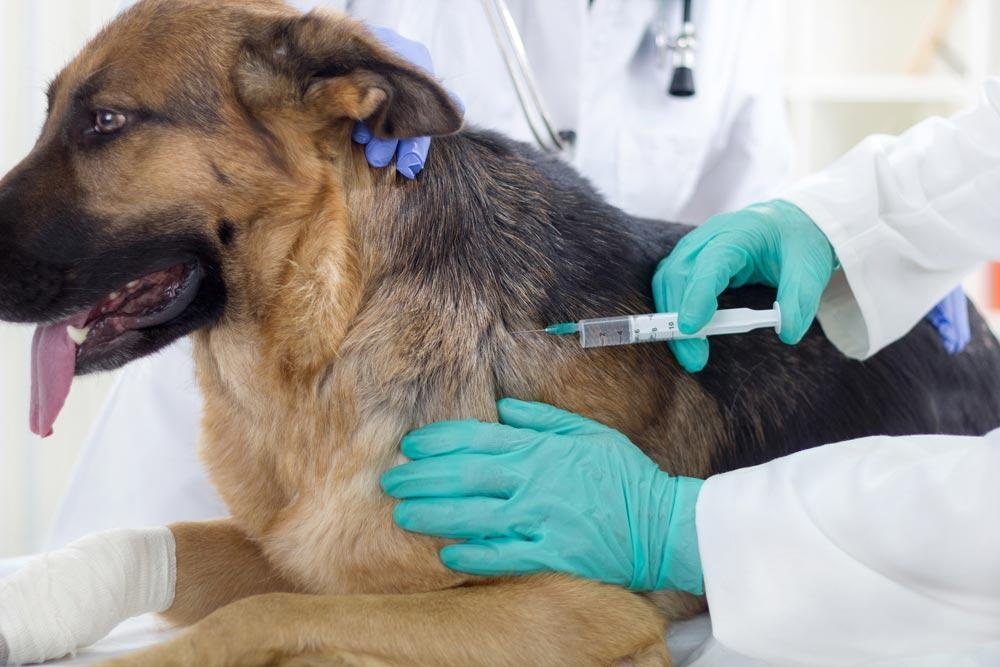
Prevention is genuinely more effective than any of the treatment options above, and a few practical changes reduce the risk considerably for most dogs.
Dogs who are determined chewers need supervision during any activity involving objects that could be swallowed. Rope toys, stuffed toys with small parts, and toys sized for larger dogs given to smaller ones are all common culprits. Replacing chew items with appropriately sized, durable alternatives that cannot easily be broken into swallowable pieces reduces the risk without eliminating enrichment.
Managing the home environment matters too. Socks, hair ties, children’s toys, corn cobs, and fruit pits are among the most frequently swallowed items and they are all entirely preventable with consistent tidiness and appropriate storage. For puppies and young dogs in the peak chewing phase, crate training and supervised play are the most reliable safeguards until impulse control develops with maturity.
FAQs
How do I know if my dog’s swallowed object has passed safely?
Monitor stool for the object over the following days for small, smooth objects your vet has advised watching. If it does not appear within the expected window or your dog develops symptoms during that period, a follow-up X-ray confirms whether it has passed or is still present.
Can my dog eat normally while waiting to see if something passes?
Follow your vet’s specific guidance. In many cases a bland diet is recommended during the monitoring period. Normal feeding should be confirmed with the vet based on what was swallowed and where it is located.
How quickly does a foreign body obstruction become dangerous?
A complete small intestinal obstruction can become life-threatening within 24 to 48 hours. A linear foreign body causing intestinal perforation is dangerous within hours. When in doubt, acting sooner rather than later is always the right approach.
Is endoscopy an option instead of surgery for some objects?
Yes, for objects in the esophagus or stomach that are retrievable with a flexible scope. Endoscopy avoids abdominal incisions and has a faster recovery time when feasible. Whether it is an option depends on the object’s location, size, and how long it has been present.
What is the cost of foreign body surgery for a dog in Encino?
Costs vary depending on the complexity of the procedure and whether complications like perforation are present. A written estimate is always provided before any procedure begins so you know what you are committing to upfront.
When Your Dog Swallows Something, Time Matters
The dogs who come through foreign body situations best are almost always the ones whose owners acted quickly. A phone call made within minutes of witnessing ingestion, a vet visit the same day, and surgery performed before perforation or significant tissue damage occurs all produce meaningfully better outcomes than the same steps taken after waiting to see if things improve.
Call (818) 922-2209 or visit our website whenever your dog needs help.