
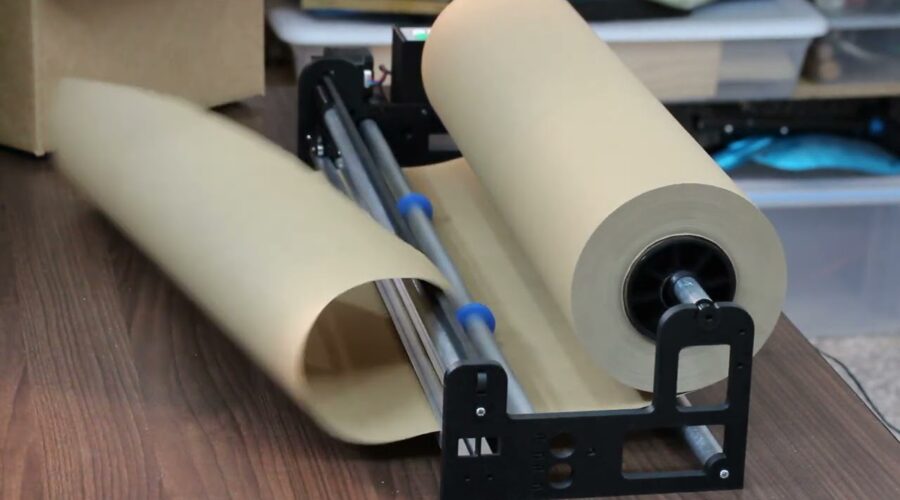
In industries like printing, packaging, manufacturing, and crafts, having the right cutting equipment is essential for smooth and accurate operations. A paper roll cutter plays a key role in converting large rolls of paper into precise sizes, helping businesses maintain consistency and boost productivity. Whether you’re working in a commercial facility, a retail environment, or handling creative projects at home, using a reliable cutter can save time, minimize waste, and improve overall workflow.
Table of Contents
This guide explains the different types of cutters available, highlights their major benefits, and offers practical tips to help you choose the best option for your specific needs.
What is a Paper Roll Cutter?
A paper roll cutter is a device specifically designed to cut paper rolled into long continuous sheets. Unlike traditional scissors or paper knives, these cutters provide a more precise, clean, and quick cut, making them ideal for high-volume cutting needs. The cutter typically uses a sharp blade mounted on a stable base or mechanism that allows smooth operation, cutting through various types of paper with ease.
Key Features to Look For in a Paper Roll Cutter
Cutting Width Capacity
The cutting width capacity is an important factor to consider because it must match the size of the paper rolls you use. Some roll cutters can handle widths of 60 inches or more, making them suitable for large rolls in printing or packaging. Others support smaller widths, which work well for light-duty or specialized tasks. Make sure the cutter’s capacity aligns with your workflow, so it operates smoothly and avoids damage to the machine or material.
Blade Type
The blade type plays a critical role in the performance and efficiency of a roll cutter. High-quality blades, such as those made from stainless steel or tungsten carbide, are preferred for their durability and ability to maintain sharpness over time. Tungsten carbide, in particular, offers enhanced longevity and precision, making it ideal for heavy or industrial use. Choosing a cutter with a sturdy, well-made blade ensures cleaner cuts, longer-lasting performance, and reduced need for frequent blade replacements.
Portability
For those who frequently move between job sites or have space constraints, portability is a key consideration in selecting a paper roll cutting machine. Portable models are designed to be lightweight and compact, often equipped with handles or foldable components for easy transport. These cutters are especially useful in environments where flexibility is needed, such as workshops, studios, or mobile operations. A portable cutter allows for efficient setup and breakdown, enhancing convenience without compromising functionality.
Durability
Durability is an essential factor to consider when investing in a paper roll cutter, especially for heavy-duty or long-term use. Machines built with strong metal frames, solid bases, and high-grade components are more resistant to wear and tear, ensuring they can withstand continuous or industrial-level operation. Investing in a durable cutter may require a higher upfront cost, but it ensures consistent performance over time and reduces the need for frequent repairs or replacements. Durable machines offer better value for money by lasting longer under heavy use.
Safety Features
Safety should always be prioritized when using cutting tools, and roll cutters are no exception. Modern cutters are equipped with various safety features to minimize the risk of accidents. Blade guards prevent direct contact with sharp edges, while automatic shutdown mechanisms stop the machine when not in use, further enhancing safety. Ergonomic designs also reduce strain on the user, making it easier to operate the cutter without risking injury. Ensuring that the cutter includes these features is essential for maintaining a safe work environment.
How to Choose the Right Paper Roll Cutter for Your Needs?
There are several factors to consider when choosing the right paper roll cutter, as choosing the right one can make a significant difference in your workflow. From cutting precision and durability to ease of use, each feature plays a role in improving efficiency and the quality of your work. Evaluating these aspects carefully will help you find the perfect cutter for your needs.
Purpose and Volume
Before selecting a paper roll cutter, it’s important to assess your specific needs and the volume of paper you plan to cut. If you’re working in a small home office or crafting setting, a manual cutter will likely be sufficient for light workloads. However, if you’re handling a large volume of paper in a commercial or industrial setting, an electric or heavy-duty machine would be more appropriate. High-volume operations require more power and efficiency, which can only be delivered by industrial or electric cutters. Matching the machine’s capacity with your work demands ensures smooth and efficient cutting.
Budget
The cost of paper roll cutters can vary significantly depending on the machine’s features and capabilities. Manual cutters are generally more affordable, making them a great option for smaller tasks or occasional use. On the other hand, industrial or electric models come with a higher price tag due to their advanced features and durability. It’s essential to determine your budget before shopping and weigh the cost against the features you need. Striking the right balance between price and functionality will help you invest in a cutter that meets your needs without overspending.
Space Considerations
The available space in your work environment plays a big role in determining the type of roll cutter you should choose. Larger, industrial-grade machines require ample room for installation and operation, making them suitable for warehouses or large commercial spaces. On the other hand, if you’re limited in space, a compact manual cutter may fit better. Many portable or foldable models save space while still delivering full functionality. Always measure the area where you plan to place the cutter to ensure it fits comfortably and operates efficiently.
Type of Paper
Different types of paper require different types of cutters, as each material has unique properties. A cutter that works well on lightweight materials like tissue or wrapping paper may struggle with thicker, more durable materials like kraft paper or cardboard rolls. When choosing a paper roll cutting machine, make sure it is designed to handle the type of paper you frequently use. This ensures precise cuts without damaging the material or the machine. If you work with multiple paper types, consider a versatile cutter that can handle a range of materials efficiently.
Benefits of Using a Paper Roll Cutter
Efficiency
Paper roll cutters significantly improve the efficiency of the cutting process compared to manual methods. They offer faster and more precise cuts, reducing the time and effort needed to complete tasks. This increase in speed is especially beneficial in high-volume environments like print shops, packaging facilities, or warehouses, where time is critical. By optimizing the cutting process, paper roll cutters help boost overall productivity, enabling businesses to handle larger workloads with less labor. The precision of these machines also leads to consistent results, which enhances product quality.
Reduced Waste
Manual cutting often results in inaccuracies. This leads to wasted material and higher costs over time. Paper roll cutters solve this problem by delivering consistent and clean cuts, which reduces waste. Whether you work with paper, textiles, or cardboard, their precise cutting action helps you use each piece efficiently. In industries like packaging or printing, where minimizing waste is essential, this benefit can create significant savings. Reduced waste also supports more sustainable operations by conserving materials.
Versatility
One of the standout features of paper roll cutters is their ability to handle a wide range of materials beyond just paper. These machines can cut through cardboard, textiles, plastic films, and even some types of metal foil, making them versatile tools in various industries. Whether you’re working in packaging, crafting, or manufacturing, the versatility of a roll cutter allows you to tackle different materials without needing separate tools. This multi-purpose capability makes roll cutters a cost-effective solution for businesses that work with diverse materials.
Enhanced Safety
Using knives or scissors for cutting large rolls of material can be hazardous, often resulting in cuts or repetitive strain injuries. Paper roll cutters come equipped with various safety features like blade guards, automatic shutdown mechanisms, and ergonomic designs, all aimed at reducing the risk of injury. These features not only protect the user but also contribute to a safer working environment, especially in high-production settings where speed and accuracy are essential. Compared to manual cutting methods, paper roll cutters offer a safer, more controlled way to work with sharp blades and heavy materials.
FAQ
What types of paper can a paper roll cutter handle?
Paper roll cutters are versatile and can cut through a wide range of materials, including kraft paper, tissue paper, wrapping paper, cardboard, and more. The type of material a cutter can handle depends on the machine’s design and blade quality.
How do I maintain my paper roll cutting machine?
Regular maintenance includes keeping the blades clean and sharp, ensuring the machine is dust-free, and lubricating any moving parts. Always follow the manufacturer’s instructions for best practices.
Are paper roll cutting machines safe to use?
Yes, many modern roll cutting machines come with built-in safety features like blade guards, automatic shut-off mechanisms, and ergonomic designs that minimize the risk of injury.
Can I use a paper roll cutter for non-paper materials?
Depending on the model, some paper roll cutters can be used to cut materials like fabric, vinyl, or thin plastic. Always check the machine’s specifications to ensure compatibility with non-paper materials.
How do I choose the right blade for my roll cutter?
The right blade depends on the type of material you’re cutting. For heavier materials like cardboard, opt for a high-strength blade like tungsten carbide. For thinner paper, a stainless steel blade may suffice.
Conclusion
A paper roll cutter is an essential tool for industries and businesses that work with large quantities of paper or similar materials. From small manual models to large industrial machines, these cutters offer precision, efficiency, and versatility, reducing the workload and enhancing productivity. By understanding the different types of paper roll cutters available and considering your specific needs, you can choose the right cutter that will streamline your operations and ensure high-quality results.